Pampas grass (Cortaderia selloana) is an introduced and invasive plant, known for its tall, feathery and dramatic plumes and extreme hardiness. It is native to South America and has been the subject of a long-term removal program at Sydney Olympic Park.
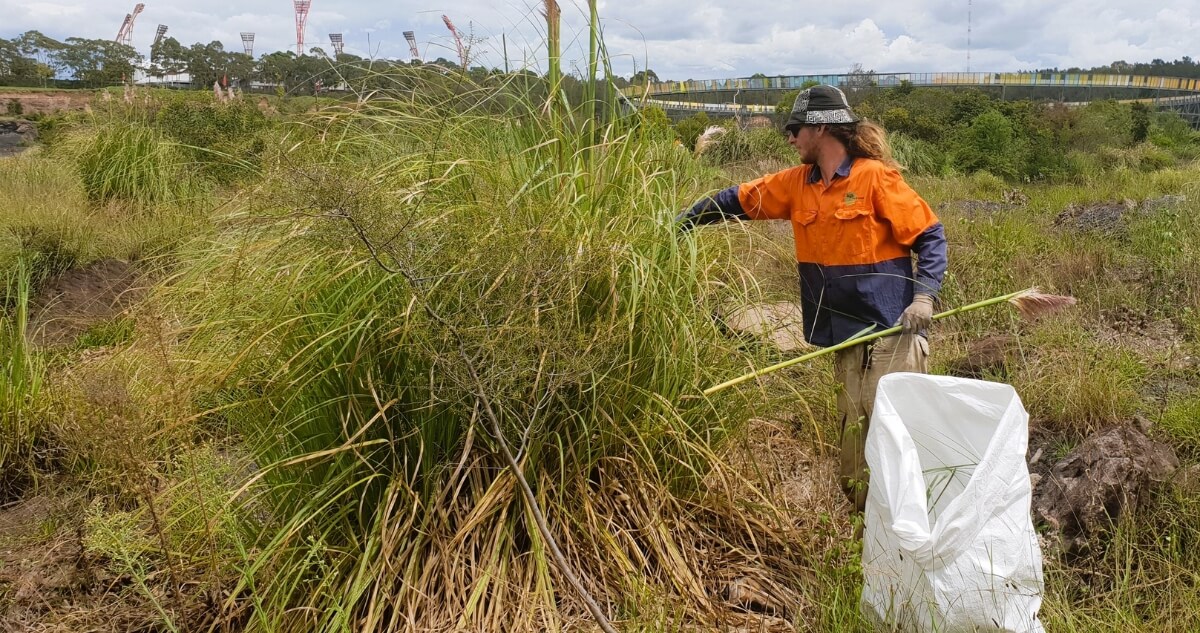
Pampas grass in the Brickpit
During the planning stages for the 2000 Sydney Olympic and Paralympic Games, it was discovered that the Brickpit provided an important breeding habitat for the endangered Green and Golden Bell Frog. This resulted in the Brickpit being left, for the most part, undeveloped during the Sydney Olympic Games. Between the Brickpit ceasing operations in 1992 and the introduction of a vegetation maintenance program in 2001, Pampas grass had become established in large areas across the Brickpit.
Although an invasive plant, Pampas grass tussocks offered ideal shelter habitat for the endangered Green and Golden Bell Frog. As such, weed management under the vegetation maintenance program firstly aimed to retain established areas of Pampas grass for the habitat values they provided, but to prevent it increasing in area within the Brickpit or spreading beyond the Brickpit.
Stopping the spread
Pampas grass naturally disperses its seeds via wind, with some seeds travelling as far as 25km from a parent plant. At this time of year Pampas grass are seed factories with a large plant producing dozens of plumes each carrying over 100,000 seeds!
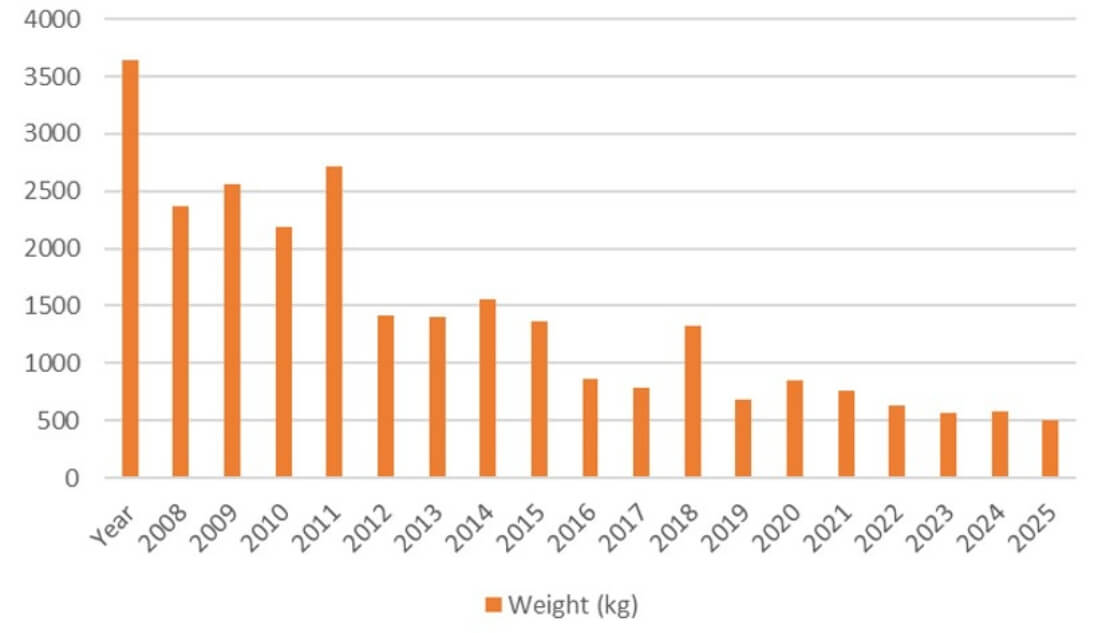
To stop the spread of seeds, you need to remove the flower heads before they seed. This can be a mammoth job given that an individual plant alone can have up to 50 flower heads. The sheer weight of flower heads removed from the Brickpit over the years is shown in the graph below.
Long-term removal
By 2006, an increased understanding of habitat use by the bell frog concluded that Pampas grass could be replaced with suitable native grass species. As a result, a program of long-term staged Pampas grass removal was initiated. Each staged removal is aligned with replacement plantings of suitable native grass species.
Zones of Pampas grass in the Brickpit are identified for removal each year, with the number of plants removed being dependent on the success of replacement plantings. Removal of flower heads for the remnant Pampas grass areas continues. The graph shows a reduction in weight of Pampas grass flower head removal since the long-term staged removal was initiated, highlighting the success of the program.
Through years of hard work removing Pampas grass tussocks and flower heads, and replanting natives, a more diverse and therefore resilient selection of native grasses now serve as habitat for the endangered Green and Golden Bell Frog in the Brickpit.
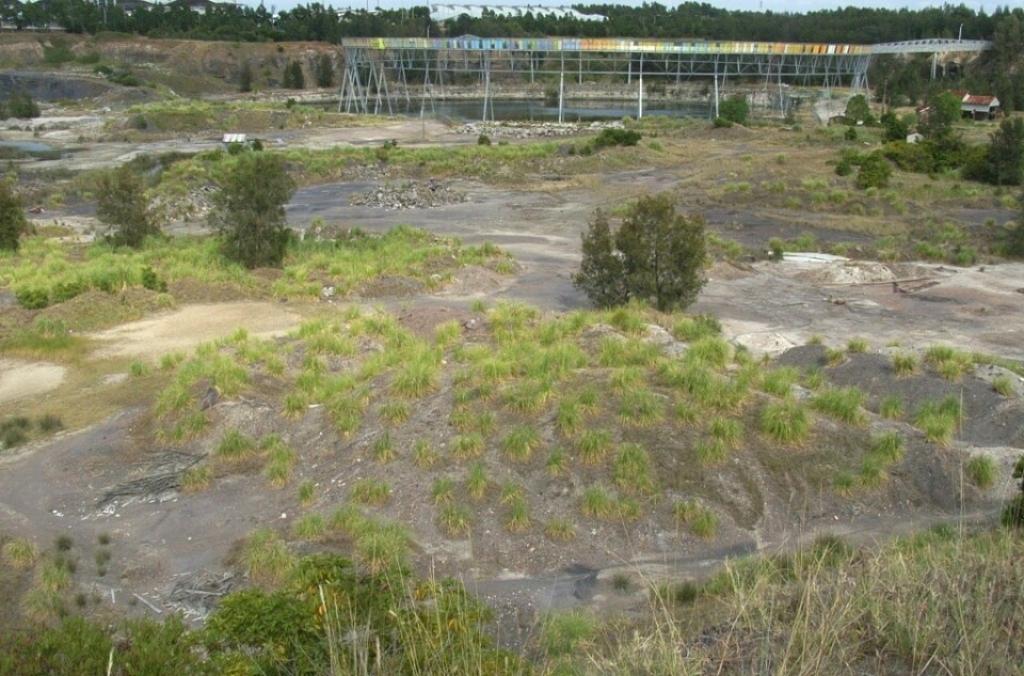
A photo of what was colloquially called ‘Pampas corner’ in the Brickpit in 2009. 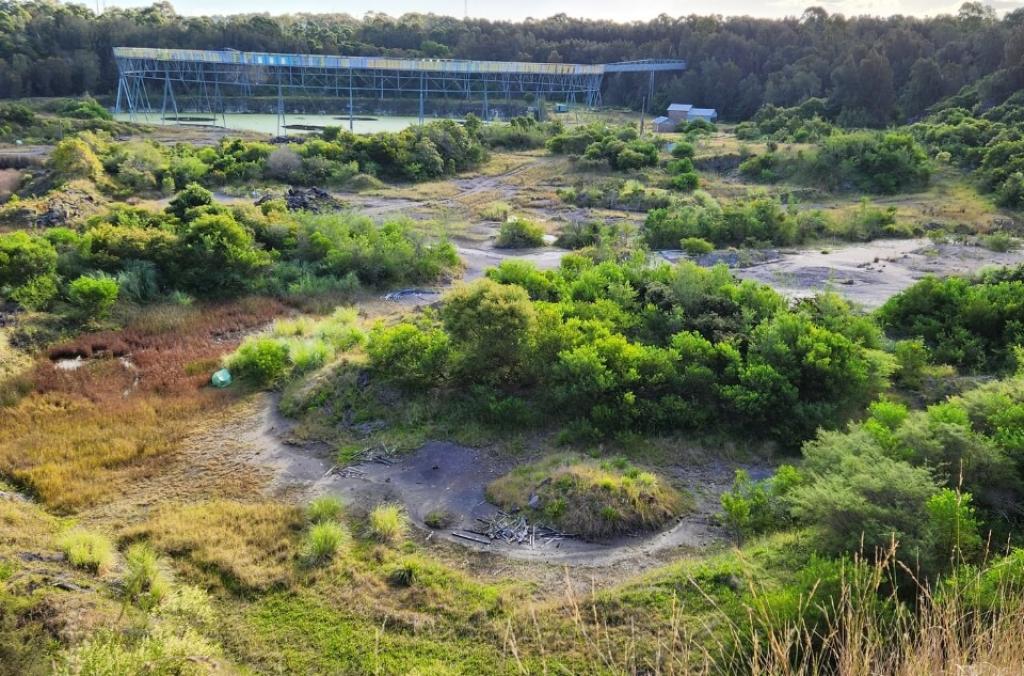
A photo of the area formerly known as ‘Pampas corner’, now a diverse range of native vegetation in the Brickpit today.
You might also be interested in...
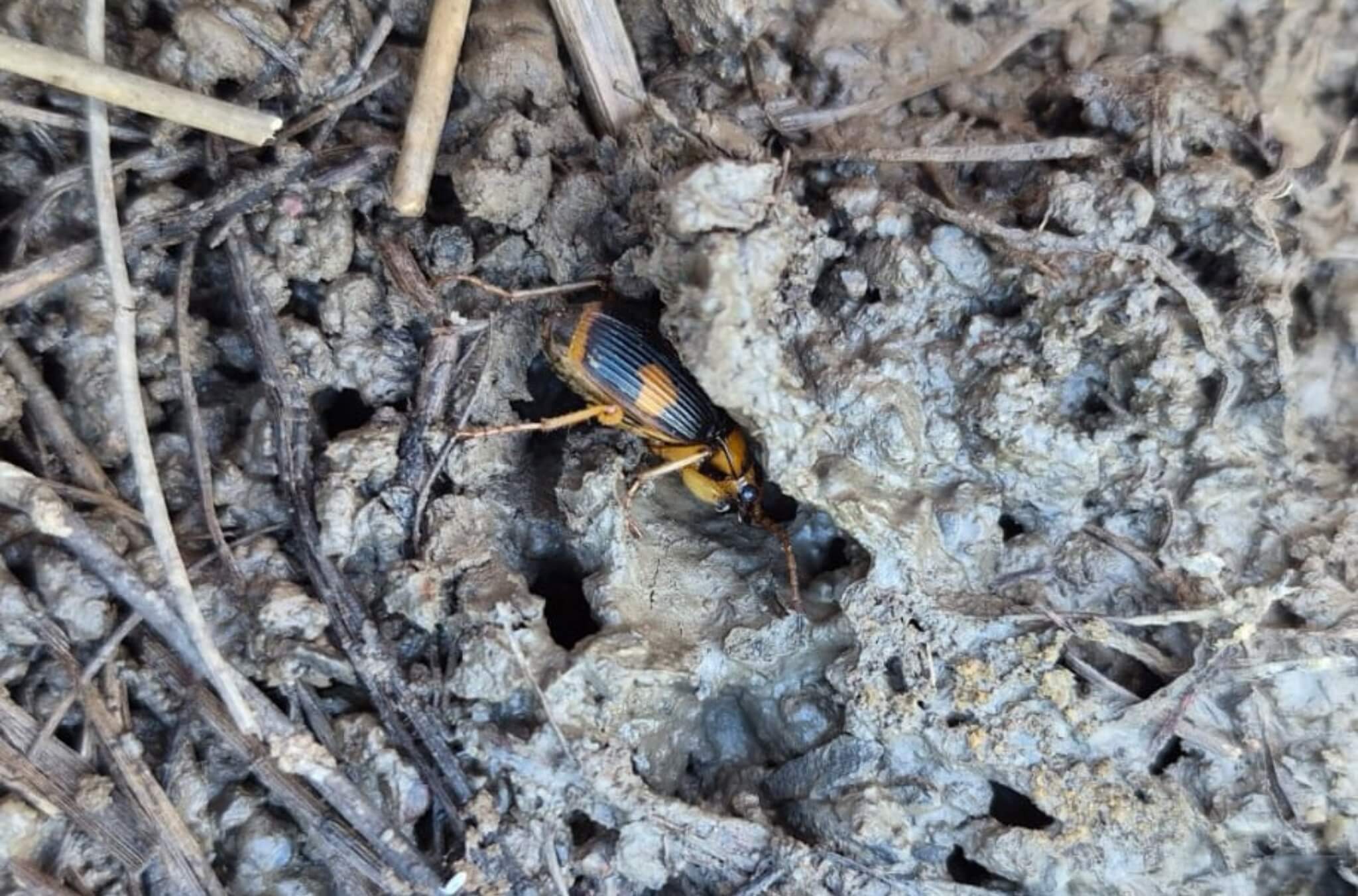

The Bombardier Beetle (Pheropsophus verticalis) belongs to the ground beetle family (Carabidae).
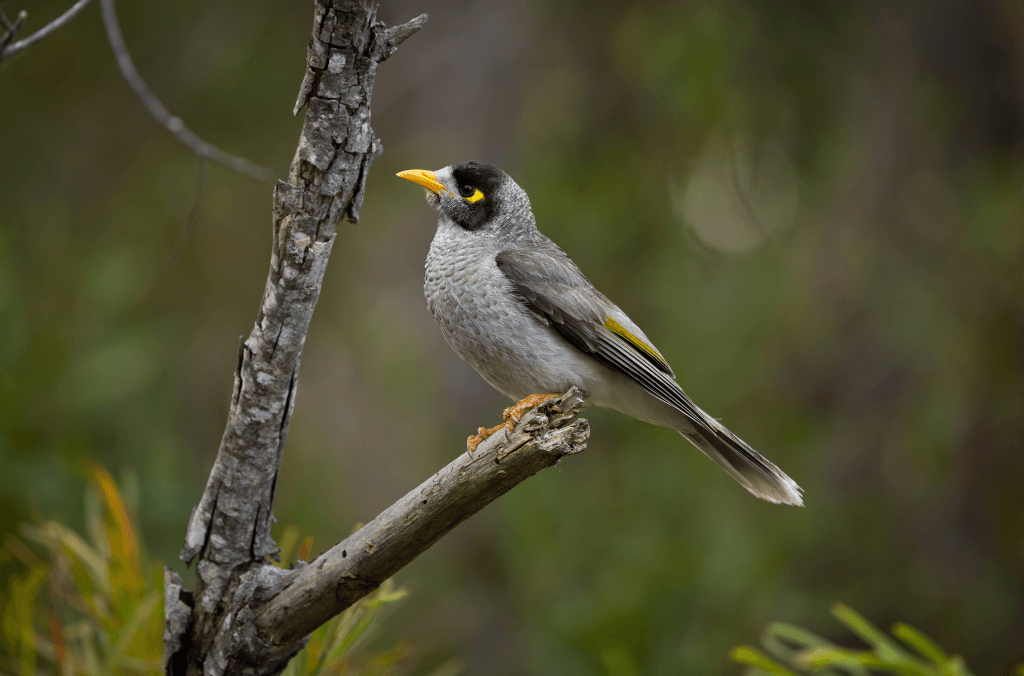
If the Noisy Miner and the Common Myna entered a bird lookalike competition, they'd almost certainly make the final.